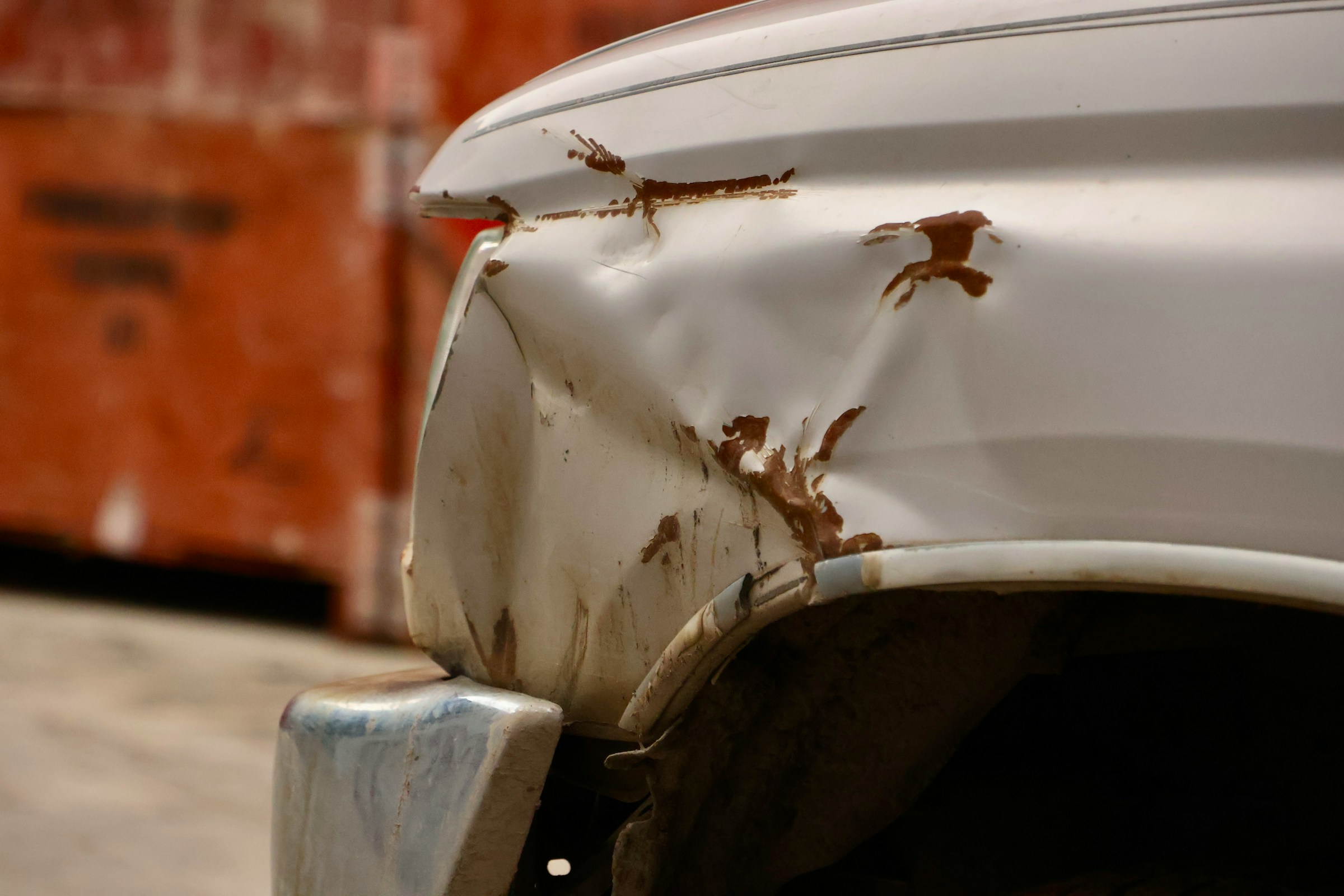
A professional vehicle body repair process is far more detailed than many drivers expect. After an accident or even minor collision, modern repair work involves structured assessment, precise measurements, and careful restoration to ensure the vehicle is safe and visually restored. In a city like Johannesburg, where traffic density increases the likelihood of minor and major accidents, understanding the repair journey can help vehicle owners make informed decisions.
Many motorists assume that body repair is mainly about fixing dents and repainting panels. In reality, it is a multi-stage technical process that includes structural evaluation, alignment correction, surface preparation, and quality control checks. Each stage is designed to restore both appearance and safety performance. Small shortcuts in this process can lead to long-term issues.
When a vehicle is taken in after a collision, technicians follow a systematic workflow that balances manufacturer specifications with practical restoration techniques. Workshops often rely on advanced tools such as measuring systems, spray booths, and welding equipment. This ensures consistency, safety, and durability in the final result.
In Johannesburg, demand for skilled repair services has grown significantly, and motorists often seek trusted experts such as panel beaters Johannesburg to handle everything from minor scratches to major structural damage.
Initial Inspection and Damage Assessment
The first stage of the repair process begins with a thorough inspection. Technicians examine both visible and hidden damage, since surface dents often conceal deeper structural issues. Even a small impact can affect alignment, safety systems, or internal mounting points.
During this phase, a detailed report is created. This includes photographs, measurements, and notes on affected components. The goal is to determine the full extent of the damage before any physical repair begins.
A structured assessment typically includes:
- Exterior panel inspection for dents, scratches, and paint damage
- Structural evaluation of the chassis and frame alignment
- Mechanical checks for suspension or steering impact
- Identification of safety system triggers, such as airbags or sensors
- Estimation of repair complexity and required parts
This stage is crucial because inaccurate assessments can lead to incomplete repairs. A proper diagnosis ensures that hidden issues are not overlooked.
The process is methodical and often time-consuming. However, it lays the foundation for everything that follows. Accuracy here reduces the risk of future complications.
Vehicle Disassembly and Structural Evaluation
Once the initial assessment is complete, the vehicle may be partially disassembled. This allows technicians to access internal components and verify whether structural damage exists beneath exterior panels.
Parts such as bumpers, trims, lights, and wheel arch liners are carefully removed. Each component is labelled and stored to ensure correct reassembly later. Attention to detail is critical at this stage.
In some cases, hidden frame damage becomes visible only after disassembly. This is especially common in side-impact or rear-end collisions. Advanced measuring systems are then used to compare the vehicle’s structure against factory specifications.
Longer inspection periods are often necessary when multiple systems are affected. Electrical wiring, mounting brackets, and reinforcement beams are all evaluated. Even slight deviations can impact vehicle safety and handling.
This stage also determines whether parts can be repaired or must be replaced. Cost efficiency and safety are balanced carefully, ensuring that repairs meet manufacturer standards without unnecessary replacements.
Repair Planning and Cost Estimation
After the full extent of damage is confirmed, technicians develop a structured repair plan. This plan outlines each step of the restoration process, from panel work to painting and final inspection.
A detailed cost estimate is also prepared. It includes labour, parts, materials, and time requirements. Transparency is important here, as vehicle owners need a clear understanding of what will be done and why.
Repair planning often includes coordination between multiple specialists. Mechanical technicians, body repair experts, and paint specialists may all contribute to the final plan. Communication between teams ensures efficiency and consistency.
This stage is not rushed. Careful planning reduces errors and prevents delays later in the process. It also ensures that safety-critical repairs are prioritised over cosmetic fixes.
Panel Repair, Structural Correction, and Realignment
This is one of the most technical stages in the entire process. Skilled technicians begin reshaping damaged panels using specialised tools, hydraulic equipment, and precision techniques. The aim is to restore the original contours of the vehicle body.
Structural realignment is performed when the vehicle’s frame has been affected. Measurements are constantly checked to ensure factory specifications are met. Even a few millimetres of deviation can affect driving performance and tyre wear.
In professional workshops, teams often referred to as panel beaters Johannesburg specialists handle this stage with a combination of experience and technical equipment. Their role is to restore both structural integrity and surface accuracy.
Depending on the severity of damage, panels may be repaired or replaced entirely. Welding, pulling systems, and controlled force application are used to reshape metal components. It is a precise and controlled process that requires expertise.
Short pauses are often taken during alignment checks. Accuracy is more important than speed.
Once structural integrity is restored, the vehicle moves to the next phase.
Surface Preparation and Painting Process
After structural repairs are completed, attention shifts to surface refinement. This stage ensures that the vehicle’s exterior is smooth, clean, and ready for painting.
Technicians begin by sanding repaired areas to remove imperfections. Fillers may be applied to level out minor dents or uneven surfaces. Each layer is carefully smoothed before moving forward.
Environmental conditions in spray booths are controlled to prevent dust or contamination. Temperature and humidity are monitored closely to ensure paint adhesion and finish quality.
The painting process typically follows a structured sequence:
- Cleaning and degreasing of all repaired surfaces
- Application of primer to improve paint bonding
- Base coat application matched to the original vehicle colour
- Clear coat application for gloss and protection
- Controlled drying and curing under regulated conditions
Each step must be completed with precision. Rushing can lead to uneven texture, colour mismatch, or premature peeling. Quality control inspections are performed between stages.
The result is a restored surface that closely matches the original factory finish. In well-executed repairs, the difference is nearly impossible to detect.
Reassembly, Testing, and Final Quality Checks
Once painting is complete, the vehicle is carefully reassembled. All previously removed components are fitted back into place. Technicians ensure that every part aligns correctly and functions as intended.
Electrical systems, sensors, and mechanical components are tested thoroughly. This includes lights, airbags, parking sensors, and steering alignment. Any irregularities are addressed immediately.
A structured checklist is often followed to ensure nothing is missed:
- Panel alignment and gap consistency verification
- Roadworthiness and safety system testing
- Paint finish inspection under different lighting conditions
- Torque checks on all reinstalled components
- Short road test to confirm driving stability
This stage is essential for quality assurance. It ensures that the vehicle not only looks repaired but also performs safely on the road.
Final inspections are detailed and sometimes repeated. Consistency is key. Even minor issues can lead to customer dissatisfaction or safety concerns if overlooked.
Final Detailing and Vehicle Return Preparation
Before the vehicle is returned to its owner, a final detailing process is performed. This includes cleaning the interior and exterior, polishing painted surfaces, and ensuring that no repair residue remains.
Technicians also prepare documentation outlining the repairs completed, parts replaced, and checks performed. This record provides transparency and helps maintain service history for the vehicle.
The vehicle is then reviewed one last time under different lighting conditions. Reflections, surface texture, and alignment are checked carefully.
At this stage, the repair journey is complete. The vehicle is restored both visually and structurally, ready to return to normal use with improved safety and appearance.
The entire process reflects how modern automotive repair combines engineering precision with craftsmanship, ensuring that damaged vehicles are returned to roadworthy condition with care and accuracy.