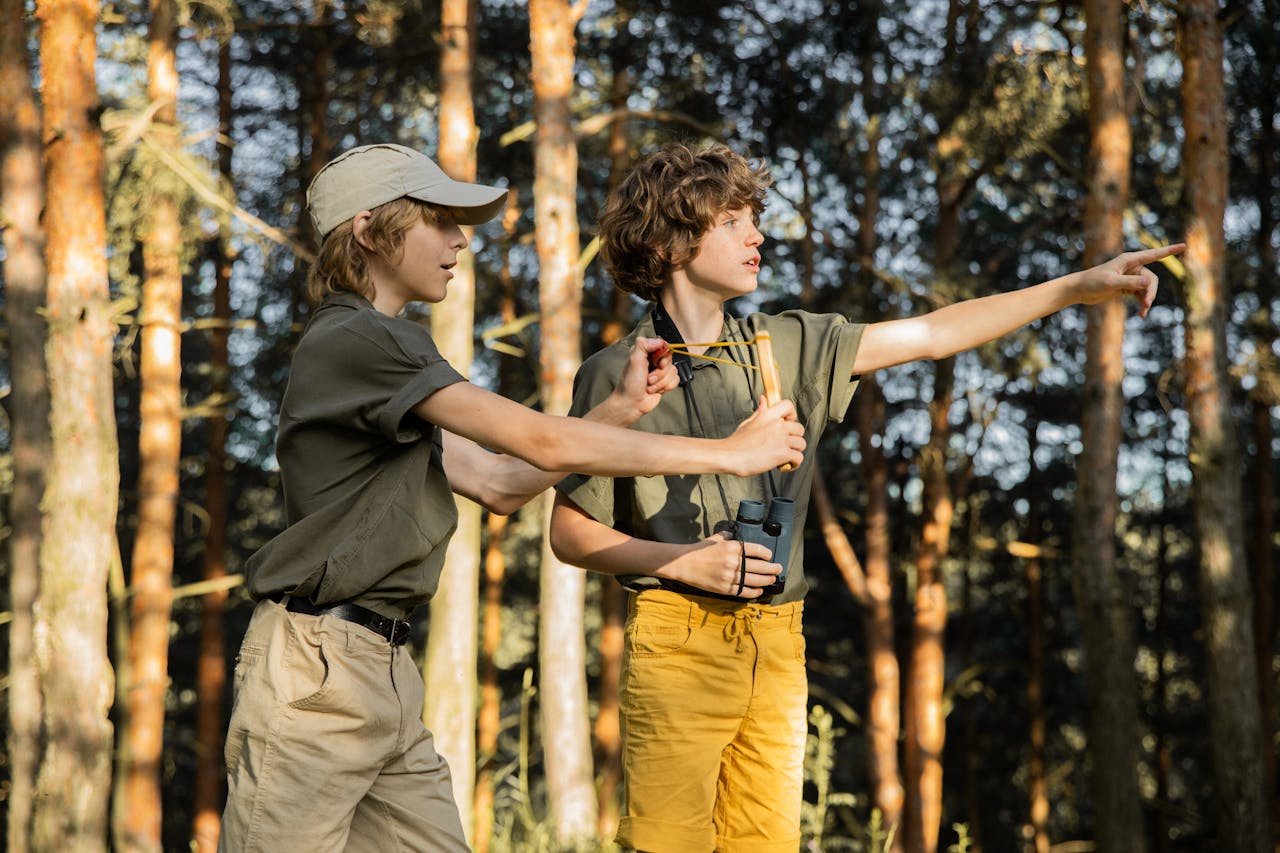
Recreational shooting has gained attention as a structured hobby that blends precision, discipline, and controlled movement. When practiced responsibly, it can support improvements in attention span, hand stability, and overall coordination. Many enthusiasts describe it as both mentally engaging and physically refining, especially when practiced consistently over time.
Activities such as target-based shooting require a balance between calm focus and controlled motion. This balance encourages the brain and body to work in sync, reinforcing habits that extend beyond the activity itself. One of the most accessible ways beginners explore this discipline is through entry-level equipment and guided practice routines. Some learners also choose to start with accessible kits from sources like the shop GX Slingshots to better understand fundamentals before advancing to more technical setups.
While often perceived as simple recreation, the underlying skill set involved is surprisingly complex. It draws on visual tracking, posture control, breathing regulation, and timing. These elements combine into a structured skill that rewards patience and consistency rather than speed or force.
The relationship between recreational shooting and mental focus
Focus in recreational shooting is not passive concentration. It is active, sustained attention directed at a fixed target while ignoring distractions. This type of mental engagement strengthens cognitive endurance over time.
The brain learns to filter unnecessary stimuli, prioritizing only the target and the sequence of movements required to engage it. With repetition, this filtering process becomes more efficient. Individuals often notice improved patience and reduced impulsive reactions in other daily activities.
Environmental awareness also plays a role. Wind, distance, and stance adjustments must all be mentally processed before action. This builds a habit of evaluating conditions before executing a decision, a transferable skill in many real-world contexts.
The act of repeatedly aligning sight, posture, and release trains the mind to maintain a steady internal rhythm. That rhythm is essential for accuracy and consistency.
How coordination develops through repetitive practice
Hand-eye coordination improves significantly through repeated alignment tasks. Each attempt requires precise timing between visual input and physical movement. Over time, neural pathways strengthen, making these actions more automatic.
Muscle memory becomes a key factor. The fingers, wrist, and forearm gradually learn optimal tension levels required for stable release. This reduces variability between attempts and increases predictability in results.
Balance and stance also contribute. Even minor shifts in body weight can affect trajectory, so practitioners learn to stabilize their lower body while maintaining upper-body control.
A structured practice session often includes:
- Controlled breathing before each attempt
- Consistent stance positioning
- Gradual adjustment of distance to target
- Observation of shot outcome before repetition
- Deliberate correction of small form errors
These steps help reinforce coordination patterns and ensure progress is measurable rather than random.
Cognitive benefits and reaction time improvement
Recreational shooting encourages faster processing of visual information. The brain must interpret distance, angle, and movement within seconds before executing a controlled response.
This strengthens reaction time in a way that is both deliberate and repeatable. Unlike high-stress environments, the controlled nature of practice allows the nervous system to refine responses without panic interference.
Decision-making also improves. Each attempt involves a micro-decision: adjust aim, modify posture, or release immediately. Over time, this builds confidence in making small, rapid adjustments under pressure.
Spatial awareness is another key benefit. Understanding how objects relate in three-dimensional space enhances depth perception and predictive judgment. These improvements often translate into better performance in other precision-based activities.
Safety principles for responsible practice
Safety is essential in any activity involving projectiles or aiming devices. Structured habits reduce risk and ensure that practice remains controlled and predictable.
Key safety principles include:
- Always selecting a clear and controlled environment free from people, pets, or breakable objects
- Using appropriate protective eyewear to reduce risk of accidental injury
- Ensuring equipment is inspected before each session for wear or damage
- Maintaining a safe backstop to stop any unintended shots
- Avoiding distractions such as phones or conversations during active practice
Responsible behavior ensures that the activity remains focused on skill development rather than risk exposure. Consistency in safety routines also reinforces discipline, which directly supports improved performance.
Choosing appropriate equipment and setup
Equipment selection plays a significant role in learning efficiency. Beginner-friendly tools reduce frustration and help establish correct technique early.
Many practitioners start with basic setups that emphasize control rather than power. As skill improves, more advanced configurations can be explored to refine precision and consistency.
Proper setup includes not only the device itself but also the surrounding environment. Lighting, target visibility, and distance all influence results. A well-organized practice space allows the learner to focus entirely on form and execution without unnecessary distractions.
At this stage, some enthusiasts prefer to shop from GX Slingshots’ options that are designed with balance and beginner accessibility in mind. Choosing suitable equipment early can accelerate the learning curve and support more consistent results over time.
Material quality also matters. Durable frames and reliable elastic components help maintain consistency across sessions, reducing variability caused by equipment failure or inconsistency.
Building a consistent practice routine
Consistency is more important than intensity when developing precision skills. Short, frequent sessions tend to be more effective than long, irregular ones.
A structured routine helps reinforce progress. Each session should have a clear purpose, whether it is improving stance stability, refining aim, or testing reaction consistency. Without structure, improvement tends to plateau.
Rest periods are equally important. Fatigue can negatively affect coordination and lead to poor form habits. Controlled breaks ensure that each attempt is performed with full attention and physical readiness.
Tracking progress also supports motivation. Noting improvements in accuracy or consistency over time helps reinforce positive habits and encourages continued practice.
Common mistakes and how to avoid them
Many beginners encounter similar challenges when developing recreational shooting skills. These mistakes are often easy to correct once identified.
Common issues include:
- Over-tensioning the body, leading to reduced fluidity in movement
- Inconsistent stance positioning between attempts
- Rushing shots without proper alignment
- Ignoring environmental factors such as wind or lighting
- Practicing without clear objectives or structure
Correcting these issues requires patience and awareness. Small adjustments often produce significant improvements over time. Practitioners who focus on refinement rather than speed tend to progress more steadily.
Final thoughts
Recreational shooting offers a structured way to develop attention control, physical coordination, and disciplined movement patterns. While it may appear simple at first glance, the underlying skill development is layered and progressive.
The combination of mental focus, physical control, and repetition creates measurable improvements over time. These improvements are not limited to the activity itself but often extend into other areas requiring precision and patience.
For those exploring the discipline further, tools from shops like GX Slingshots can provide a practical entry point into structured practice. When approached responsibly and consistently, the activity becomes more than recreation—it becomes a method of refining focus, coordination, and decision-making under controlled conditions.