Modern plumbing systems rely on a network of pipes that quietly carry clean water into homes and safely direct wastewater away. Most homeowners rarely think about these pipes until a leak appears or water pressure suddenly drops. Yet the materials used in plumbing systems can have a major impact on durability, water quality, and long-term maintenance.
When building or renovating a home, choosing the right pipe material is more important than many people realize. Different materials have unique strengths and weaknesses, affecting everything from installation cost to resistance against corrosion. Understanding these differences can help homeowners make informed decisions that protect both their property and their water supply.
Professionals such as a plumber Linden residents trust often help homeowners evaluate the best pipe options for their specific needs. Factors like climate, water chemistry, and building design all play a role in determining which plumbing materials will perform best over time.
Why Pipe Material Matters in Residential Plumbing
Water pipes are designed to last for decades, but their longevity depends heavily on the material used. Some pipes resist corrosion well but cost more to install, while others are affordable but may degrade faster under certain conditions.
Pipe material also influences water pressure, noise in plumbing systems, and susceptibility to leaks. For example, some pipes expand when exposed to heat, while others remain rigid and stable. This difference can affect how pipes behave inside walls, ceilings, and floors.
Another key factor is water safety. Certain older pipe materials may corrode over time and affect water quality, while modern materials are designed with stricter safety standards. When evaluating plumbing systems, homeowners should always consider both durability and health implications.
Copper Pipes: Durable and Time-Tested
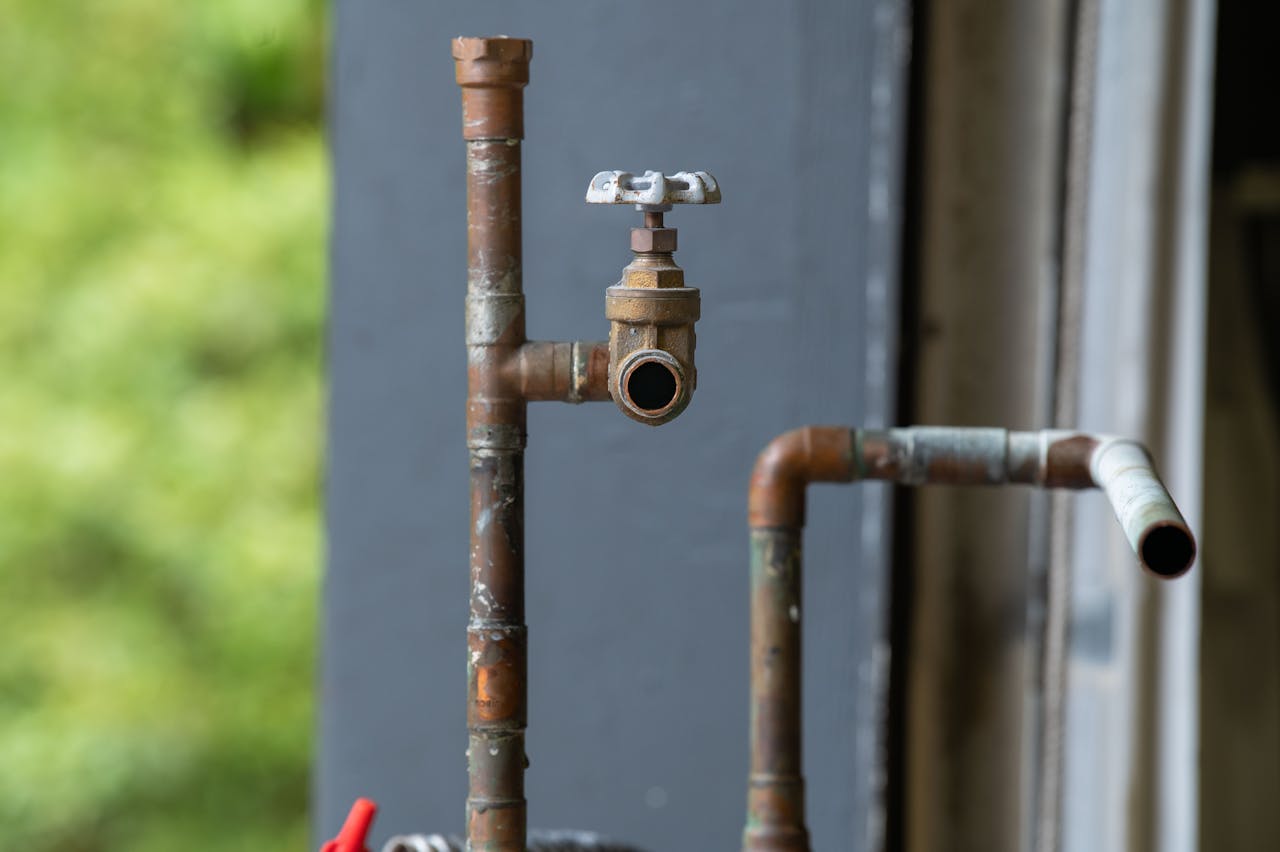
Copper piping has been widely used in residential plumbing for decades and remains one of the most trusted materials in the industry. Its durability and resistance to bacteria make it a reliable choice for many water supply systems.
One of the biggest advantages of copper is its longevity. When properly installed, copper pipes can last 50 years or more. They are also highly resistant to high temperatures, which makes them suitable for both hot and cold water lines.
Another benefit is that copper does not easily warp or degrade when exposed to sunlight, unlike some plastic alternatives. This makes it particularly useful in areas where pipes may occasionally be exposed.
However, copper pipes also come with certain disadvantages. They are typically more expensive than other materials, both in terms of the pipes themselves and the labor required to install them. Copper also requires soldering during installation, which increases complexity and installation time.
In some regions, copper may also be susceptible to corrosion if the water has certain chemical characteristics. Consulting with an experienced plumber Linden homeowners rely on can help determine whether copper is the best option for a particular property.
PEX Pipes: Flexible and Easy to Install
PEX (cross-linked polyethylene) piping has grown increasingly popular in modern plumbing systems. Its flexibility allows installers to route pipes through walls and around obstacles with fewer fittings, which can reduce installation time and costs.
One of the main advantages of PEX pipes is their resistance to freezing. Because the material is flexible, it can expand slightly if water freezes inside the pipe, reducing the risk of bursting. This makes PEX a practical option in climates where temperature fluctuations occur.
PEX also tends to be quieter than rigid pipes because it absorbs pressure fluctuations better. This can reduce the banging or knocking sounds sometimes heard in plumbing systems.
Despite these benefits, PEX pipes are not suitable for every situation. They can degrade when exposed to direct sunlight for extended periods, so they are generally not recommended for outdoor installations. Additionally, some homeowners prefer traditional materials due to familiarity and long-term track records.
PVC Pipes: Affordable and Corrosion Resistant
PVC (polyvinyl chloride) pipes are widely used in plumbing systems, particularly for drainage and waste lines. Their affordability and resistance to corrosion make them a common choice for many residential applications.
One major advantage of PVC is that it does not rust or corrode the way metal pipes can. This makes it especially useful in areas with aggressive water chemistry that might damage other materials.
PVC pipes are also lightweight and relatively easy to install. Instead of soldering, they are typically joined using specialized adhesives that create strong, watertight connections.
However, PVC is not suitable for all types of water lines. It is generally not recommended for hot water supply systems because high temperatures can weaken the material over time. Additionally, PVC can become brittle in extremely cold conditions.
For homeowners considering upgrades or repairs, discussing options with a plumber Linden locals depend on can help ensure the correct pipe material is selected for each part of the plumbing system.
Galvanized Steel Pipes: Strong but Aging
Galvanized steel pipes were once common in older homes. These pipes are coated with a protective layer of zinc to reduce corrosion and extend their lifespan.
Initially, galvanized pipes perform well because of their strength and durability. However, as the zinc coating gradually wears away, the underlying steel becomes vulnerable to rust and mineral buildup.
Over time, corrosion inside galvanized pipes can restrict water flow and reduce pressure throughout the home. In some cases, rust particles may also discolor water.
Because of these issues, galvanized steel pipes are rarely installed in modern plumbing systems. Many homeowners with older properties eventually replace them with copper or PEX to improve reliability and water quality.
CPVC Pipes: Heat Resistant Plastic Option
CPVC (chlorinated polyvinyl chloride) is a variation of PVC designed specifically to handle higher temperatures. This makes it suitable for both hot and cold water supply lines.
One advantage of CPVC is that it combines the corrosion resistance of plastic pipes with improved heat tolerance. It is also lightweight and relatively simple to install using solvent welding techniques.
CPVC pipes are generally more affordable than copper while still providing good performance in many residential systems. They are commonly used in homes where cost efficiency is a priority but durability is still important.
However, CPVC can become brittle as it ages, particularly if exposed to certain environmental conditions. Careful installation and proper support are essential to prevent cracking or stress on the pipes.
Key Factors to Consider When Choosing Water Pipes
Choosing the right plumbing material involves balancing several important factors. Each home has unique requirements depending on layout, budget, and local conditions.
Before selecting pipe materials, homeowners should consider the following:
-
Expected lifespan and long-term durability
-
Installation cost and labor complexity
-
Resistance to corrosion or mineral buildup
-
Compatibility with hot and cold water systems
-
Local building codes and plumbing regulations
Taking these factors into account helps ensure the plumbing system will operate efficiently for many years without frequent repairs.
Making the Right Choice for Your Plumbing System
Every type of water pipe has advantages and disadvantages, and the best choice often depends on the specific needs of the property. While copper offers exceptional durability, materials like PEX and CPVC provide flexibility and cost savings in many modern installations.
Older materials such as galvanized steel may still be present in existing homes, but many homeowners eventually upgrade to newer alternatives to improve water flow and reliability. Understanding how different pipe materials perform allows property owners to make smarter decisions when renovating or repairing their plumbing systems.
With proper planning and professional guidance, a well-designed plumbing system can provide dependable water supply for decades while minimizing the risk of leaks, corrosion, and costly repairs.