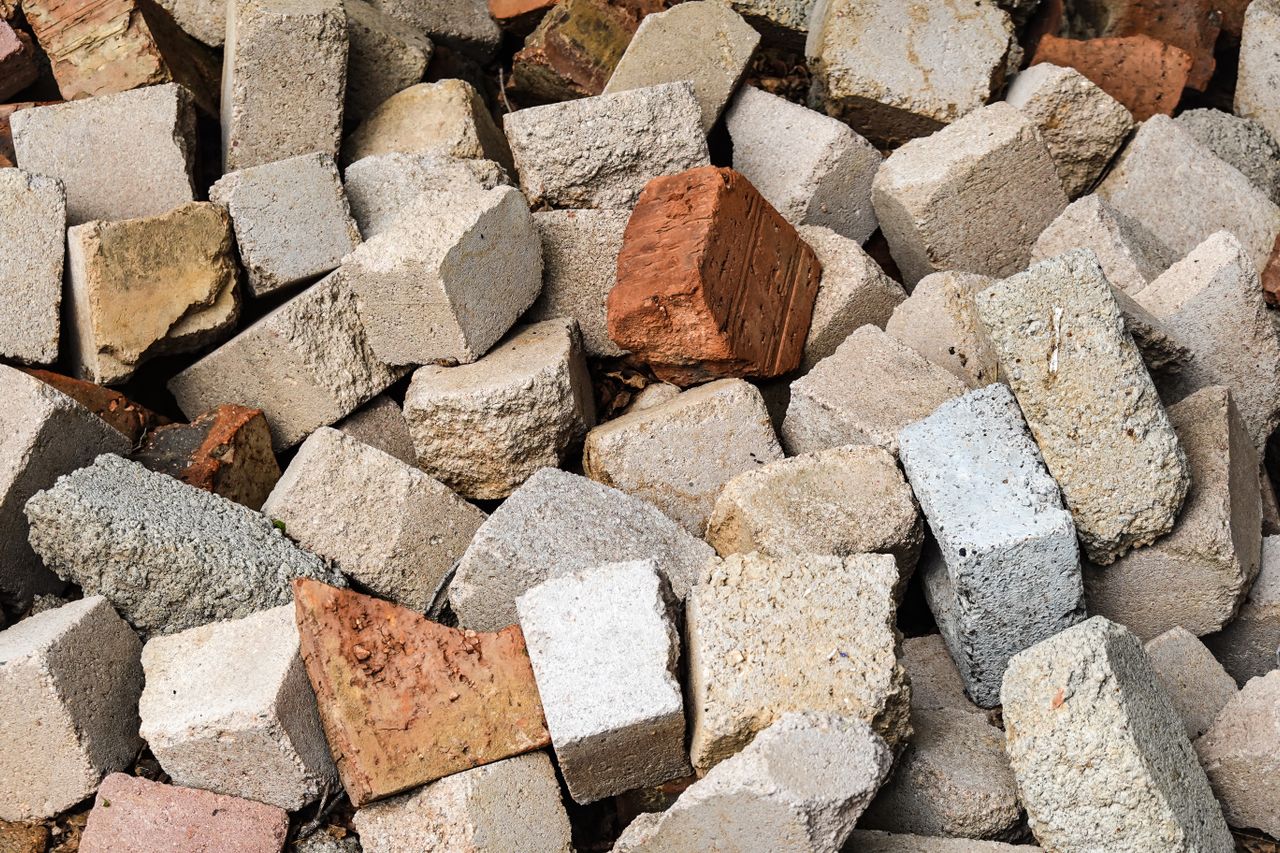
Rubble can accumulate quickly during renovations, demolitions, landscaping work, and building projects. Broken bricks, concrete, tiles, soil, timber, and other construction waste can take up valuable space and create additional safety and logistical concerns. Choosing the right removal service can make the cleanup process considerably easier.
When comparing rubble removal experts, it is important to look beyond price alone. A reliable provider should understand the type of waste involved, have suitable equipment, follow responsible disposal practices, and communicate clearly about what the service includes. The right choice can save time while reducing unnecessary complications during your project.
Whether you are clearing a small residential renovation or dealing with waste from a larger construction job, a little research before booking can make a meaningful difference. Asking the right questions helps you identify a company that is properly equipped for the work and transparent about its services, costs, and disposal procedures.
Understand What Needs to Be Removed
Before contacting a removal company, assess the waste your project is likely to produce. Rubble is a broad term and may include several different materials, each with different handling and disposal requirements.
A bathroom renovation might generate broken tiles, ceramics, plaster, packaging, and sections of old flooring. A building project could produce larger quantities of concrete, bricks, mortar, timber, and general construction debris. Garden projects may involve soil, branches, roots, leaves, and other organic material.
Having a clear idea of the waste involved allows a removal company to recommend an appropriate vehicle and collection method. It can also reduce the likelihood of unexpected charges caused by materials that were not included in the original quotation.
If possible, estimate the approximate volume before requesting a quote. You do not need to measure every piece of waste individually. A rough description of the pile, the number of bags, or the size of the area can provide useful information when discussing the job.
Check Whether the Service Handles Your Waste
Not every removal service accepts every type of waste. This is particularly important when a project produces materials that require special handling.
Ask the provider what materials they accept before arranging collection. Depending on the company and local disposal requirements, certain hazardous, contaminated, or restricted materials may need to be handled separately.
Common project waste can include:
- Bricks, concrete and masonry
- Broken tiles and ceramics
- Soil, sand and garden debris
- Timber and general building waste
- Packaging and non-hazardous renovation materials
Do not assume that an item can be loaded simply because it looks like ordinary building waste. If you are uncertain about something, describe it to the provider in advance. This gives them an opportunity to explain whether they can collect it or whether another disposal option is required.
Clear communication is especially important for renovation projects because unexpected materials can appear once walls, floors, ceilings, or other structures are opened.
Consider the Company's Experience
Experience can be valuable when dealing with construction and renovation waste. An established provider may be more familiar with different types of rubble, loading requirements, vehicle access challenges, and disposal procedures.
This does not mean a newer company cannot provide good service. Instead, look for evidence that the business understands the practical requirements of rubble collection.
Ask whether they regularly handle projects similar to yours. A provider accustomed to household renovations may have a different approach from one that primarily handles larger construction sites.
Experience can also help with planning. A knowledgeable team should be able to discuss approximate load sizes, access requirements, collection timing, and the type of vehicle that may be suitable for your project.
Ask What the Quote Includes
A low advertised price does not necessarily represent the lowest overall cost. Quotes can differ significantly depending on what is included.
Before accepting an estimate, ask whether the price covers collection, loading, transportation, disposal, labour, and any applicable fees. It is also worth confirming whether the quote applies to a specific volume or vehicle capacity.
Some providers may price their services according to the amount of waste collected, while others may use different pricing structures. Understanding the basis of the quote makes comparisons more meaningful.
A professional company should be willing to explain its pricing rather than giving you a vague figure without context. If the amount of waste is difficult to estimate remotely, the provider may need additional information before confirming the final price.
Be cautious of choosing solely on the cheapest quotation. An unusually low price may not provide the same scope of service as a more comprehensive offer.
Look at Collection and Loading Arrangements
Rubble removal is not only about transportation. Loading can be one of the more demanding parts of the process, particularly when heavy materials need to be moved from a backyard, upper level, narrow passage, or construction area.
Ask whether the service includes loading or whether you are expected to place all waste in a designated location. This distinction can have a significant effect on the amount of work you need to do.
Access should also be discussed beforehand. Narrow driveways, gates, steep entrances, limited parking, and restricted working areas can affect how collection is carried out.
Providing accurate information about access allows the company to plan appropriately. It can also prevent delays when the collection team arrives and discovers that the vehicle cannot reach the intended loading area.
Check Disposal Practices
Responsible disposal should be an important consideration when selecting a removal provider. Construction waste should not simply be abandoned or disposed of in an inappropriate location.
Ask the company where collected waste is taken and whether recyclable materials are separated where practical. Depending on the type of waste and available facilities, materials such as concrete, metals, bricks, and other recoverable items may be processed through appropriate recycling or recovery channels.
A responsible approach can reduce the environmental impact associated with unnecessary landfill disposal. It also indicates that the provider understands that waste management involves more than simply moving material from one location to another.
You can ask straightforward questions about disposal without needing specialist knowledge. A reputable business should be able to explain its general process clearly and tell you if particular materials require different treatment.
Evaluate Reliability and Communication
Good communication can make a surprisingly large difference to a project. Construction schedules can change quickly, and delays with waste collection may interfere with other work.
Look for a provider that responds clearly to enquiries and confirms the important details of the booking. This includes the collection date, expected arrival window, waste type, approximate volume, access arrangements, and pricing.
Reliability is particularly important when rubble is occupying a driveway, walkway, work area, or other frequently used space. Keeping waste onsite for longer than necessary can make the project feel more difficult and may create avoidable hazards.
Before booking, consider whether the company has a straightforward process for confirming appointments and handling changes. Clear communication from the beginning can reduce misunderstandings later.
Consider Safety Around the Work Area
Rubble can create trip hazards, sharp edges, unstable piles, dust, and other risks. Keeping waste contained and removing it promptly can help maintain a safer working environment.
Heavy materials should also be handled carefully. Concrete, bricks, soil, and similar materials can place considerable strain on people who attempt to move them without appropriate equipment or assistance.
A professional removal service should approach loading and transportation with suitable equipment and procedures. You should also keep children, pets, and anyone not involved in the project away from areas where rubble is stored or being loaded.
If the waste includes materials that may be hazardous, do not attempt to handle them casually. Ask the relevant disposal provider or an appropriately qualified professional about the correct procedure.
Compare More Than One Provider
Getting several quotations can give you a better understanding of the local market and help you identify differences in service.
Price is useful, but it should be considered alongside the company's experience, availability, waste acceptance policies, loading arrangements, and disposal practices.
When comparing providers, pay attention to:
- Whether the quotation is clearly explained
- What labour and loading services are included
- Whether the company accepts your specific waste
- How collection times are arranged
- Whether additional fees may apply
- How collected materials are transported and disposed of
A provider that costs slightly more may offer considerably more comprehensive service. Conversely, a higher price does not automatically mean better quality. The goal is to compare like-for-like services rather than simply selecting the largest or smallest figure.
Read Reviews With Some Context
Online reviews can provide useful insight into customer experiences, particularly when several reviews mention similar strengths or weaknesses.
Look for patterns rather than relying on one particularly positive or negative comment. Reviews that consistently mention punctuality, communication, careful loading, transparent pricing, or professional conduct can provide helpful information.
However, reviews should not be treated as the only measure of quality. A company may have limited online feedback while still providing a reliable service. Consider reviews alongside direct communication, the clarity of the quotation, and the provider's willingness to answer your questions.
If something in a review raises a concern, you can ask the company about it directly before making your decision.
Plan the Collection Around Your Project
Timing matters. If rubble removal is scheduled too early, you may continue producing waste after the collection. If it is left too late, the accumulated debris could interfere with construction activities.
Think about when the largest amount of waste will be generated. For demolition or renovation projects, arranging removal after a major phase can make sense. Smaller collections may be more suitable when waste is produced gradually.
You should also consider weather, access, working hours, and any building or property restrictions that could affect collection.
Good planning reduces the chance of rubble becoming an obstacle. It also makes it easier for the removal team to complete the job efficiently.
Make the Final Decision Based on Value
Choosing a removal provider ultimately comes down to finding a sensible balance between cost, reliability, service quality, and suitability for the project.
A company that understands your waste requirements, provides a transparent quotation, communicates effectively, and follows appropriate disposal practices is generally a stronger choice than one selected solely because it offered the lowest price.
Before confirming the booking, make sure you understand what will happen from collection through to disposal. Confirm the expected volume, accepted materials, loading arrangements, price, and collection schedule.
Once those details are clear, rubble removal becomes much easier to manage as part of the wider project. Taking the time to choose a suitable provider can help keep the work area organised, reduce unnecessary delays, and ensure that construction waste is dealt with in a practical and responsible manner.